A venture studio builds companies as an operator—not merely projects like an agency or cohorts like an incubator
The practical difference is responsibility: a venture studio participates in creating and commercializing ventures, while an agency delivers client work and an incubator supports independent founders.

A venture studio repeatedly helps create businesses, combining venture formation with hands-on work across technology, product architecture, capital and commercialization. An agency primarily delivers defined services for a client, while an incubator supports founders who retain responsibility for building their own companies. If you want to build an AI product or startup, choose according to the operating relationship you need—not according to which label sounds most entrepreneurial.
Key takeaways
- A venture studio is an active venture-building operator, not simply a supplier completing a project brief.
- An agency is the clearer fit when a business wants to buy defined services while retaining ownership of the wider venture-building process.
- An incubator supports founders and companies, but the founders remain responsible for operating and commercializing their ventures.
- For an AI startup, product development is only one part of the work; architecture, operating models, adoption, education and commercialization also matter.
- Before choosing a partner, establish who will make decisions, supply capital, own the resulting assets and remain accountable after launch.
What a venture studio is
A venture studio is an organization that participates directly in forming and building ventures. Its role extends beyond advising a founder or delivering a predefined technical project. Venture building brings together founder and operator work across enterprise technology, startups, capital, product architecture and commercialization.
That operating role is the central distinction. A studio is not just present for an isolated design sprint, software build or strategic recommendation. It helps connect the product to the company that must bring it to market. This includes confronting decisions about the problem, architecture, operating model, route to commercialization and the capabilities required to keep the venture functioning.
The model sits within the broader practice of turning technology into entrepreneurial opportunity. The technology entrepreneurship and venture-building hub provides the wider context for evaluating products, companies and emerging-technology opportunities.
Focus on the operating relationship rather than the title. Ask whether the organization will help build the venture itself, deliver a bounded service or provide a supportive environment while you build independently.
How a venture studio differs from an agency
- Venture studio
- Participates in creating and commercializing a venture, with attention to how technology, product architecture, operations and the business fit together.
- Agency
- Completes agreed client services or project work while the client remains responsible for the company, its strategy and its continuing operation.
An agency can be the right choice when you already know what must be delivered. If your company has settled the product direction, funding assumptions, ownership, market approach and internal responsibilities, a specialist supplier can execute a defined part of the plan. The relationship is generally organized around scope, deliverables and client approval.
A venture studio is relevant earlier and more broadly. The central question is not merely, “Who will build the software?” It is, “What company and operating capability must exist around this product?” That changes the discussion from project execution to venture formation. It also exposes unresolved issues that a polished prototype can hide, including unclear decision rights, weak commercialization logic and an architecture that cannot support the intended business.
This is why founders should examine what building a technology venture involves beyond the product before commissioning development. A successful handoff from an agency is not equivalent to a functioning venture. Someone must still own product decisions, market learning, operations, capital requirements and the path from experimentation to durable capability.
Consider a business planning an AI product. An agency relationship would center on agreed work for that client. A venture-building relationship would also address the surrounding product architecture, operating model, AI adoption, education, workflow transformation and commercialization. The distinction is not whether technical work occurs in both models; it is who takes responsibility for connecting that work to a viable operating venture.
How a venture studio differs from an incubator
- Venture studio
- Works as an active builder or operator in the development of ventures.
- Incubator
- Provides an environment in which independent founders develop their companies, while those founders remain responsible for operating them.
An incubator is best understood as support around a founder rather than a replacement for the founder’s operating role. Its value lies in helping entrepreneurs progress, but participation does not remove the need for the founding team to make decisions, build the company and pursue commercialization.
A studio goes further into the venture itself. It brings operating work into the relationship and connects company formation with technology and commercialization. This distinction becomes especially important for technically ambitious products, where architecture choices affect not only the first release but also workflows, organizational responsibilities and the venture’s ability to move beyond experimentation.
The choice is therefore not a contest between “more support” and “less support.” It is a choice between different structures. An incubator is appropriate when founders want an environment that helps them develop their own company. A venture studio is appropriate when the desired model includes direct venture-building participation. An agency is appropriate when the need is a defined service delivered to an existing owner and operator.
Organizations use venture terminology differently. Ask what the relationship includes in practice, who performs the operating work and what happens after the initial product has been created.
What building an AI venture actually requires
An AI venture needs more than a model, interface or demonstration. The work spans AI adoption, enterprise architecture, operating models, education, workflow transformation and the move from experimentation to durable capability. Treating these as secondary concerns is a common strategic mistake: they determine whether the technology becomes part of a working business.
Rohan Hall’s work spans AI technology, entrepreneurship, enterprise architecture, education and venture building. His experience includes building AI and blockchain systems, leading technology for blockchain interoperability and scalable blockchain applications, and serving as Chief Technology Officer at RocketFuel Blockchain, where he led technology strategy, architecture and a distributed global engineering team. Readers assessing that background can review Rohan Hall’s ventures and technology work.
Emerging-technology ventures also benefit from understanding how architecture supports adoption and transformation. The related guide to enterprise architecture in AI transformation examines that connection. It is especially relevant when a proposed product must operate inside an established organization rather than as a self-contained application.
Programming requires a different way of thinking from traditional AI. When evaluating a studio, agency or technical team, look for clarity about both software engineering and the specific AI work your product requires.
Where OceSha Ventures fits
Rohan Hall is Founder and CEO of OceSha Ventures and its AI-first work. The company creates and runs AI-focused solutions for businesses and organizations, including course creation, branded academies, AI assistants such as Lumi and business intelligence.
Lumi’s scope includes conversational websites, information a business has reviewed and approved, customer inquiry handling and customer intelligence. This illustrates an important venture-building principle: an AI capability should be defined in terms of the business work it performs, the information it uses and the operating context around it—not simply the presence of an AI interface.
Rohan’s broader venture-building experience combines founder and operator lessons across enterprise technology, startups, capital, product architecture and commercialization. He has worked extensively across the United States, Europe and Asia, including extended periods in Spain and time living in Cyprus. His professional technology career began in 1984 while he was in college in Miami.
For founders evaluating a prospective venture builder, relevant evidence includes both the ventures involved and the operator’s record. The overview of Rohan Hall’s verifiable founder and operator experience is a useful next step when conducting that assessment.
How to choose among a studio, agency and incubator
- Define the outcome. Decide whether you need a company built, a specific service delivered or an environment that supports you while you build.
- Identify the operator. Write down who will make product, technology, market and organizational decisions after the initial engagement.
- Separate product work from venture work. A functioning application does not by itself settle capital, commercialization, operations or adoption.
- Clarify ownership and accountability. Establish who supplies resources, owns resulting assets and remains responsible when priorities change.
- Assess relevant experience. Look for evidence across architecture, product creation, technical leadership, operating models and commercialization—not titles alone.
- Plan beyond experimentation. Determine how the product will become a durable capability supported by people, workflows and continuing technical ownership.
Choose an agency when the work is sufficiently defined and your organization is ready to direct the larger initiative. Choose an incubator when you want structured support but intend to remain the primary company builder. Choose a venture studio when you need an active operating relationship that connects the technology to venture formation and commercialization.
Founders working with AI should also keep up with the surrounding technology landscape without confusing discussion with execution. The Explainable AI Podcast for founders exploring emerging technologies offers another route into those questions.
The purpose behind a venture can matter as much as its structure. If your goal includes broader access to entrepreneurial opportunity, consider technology entrepreneurship and economic empowerment when defining who the venture should serve and what impact it is intended to create.
Questions to ask before entering a venture-building relationship
The most useful questions expose responsibility. Ask what the prospective partner will build, what it expects the founders to provide and where its involvement ends. Request a clear account of how product architecture, commercialization and operating decisions will be handled. If those responsibilities remain vague, the relationship is not yet defined well enough to evaluate.
Founders interested in the wider relationship between AI and emerging technologies can explore The Convergence of AI and the Top 10 Emerging Technologies. Use that broader context to sharpen your questions, but choose a working model according to the concrete responsibilities your venture requires.
Review Rohan Hall’s ventures, technology experience, writing and current work to decide whether his perspective fits the venture you want to build.
Explore Rohan Hall’s workFrequently asked questions
Does a venture studio only build the technology?
No. Venture building extends across enterprise technology, startups, capital, product architecture and commercialization. Technology is central, but it must be connected to the company and operating capability around it.
When is an agency a better choice than a venture studio?
Choose an agency when you have a clearly defined service requirement and your organization is prepared to own the broader product, strategy, operations and commercialization work.
Can an incubator build my startup for me?
An incubator supports founders as they develop their companies. If you need another organization to participate directly in operating and building the venture, evaluate a venture-studio relationship instead.
What should an AI founder evaluate first?
Start with responsibility. Determine who owns product decisions, architecture, operating-model design, workflow transformation, adoption and commercialization. A prototype alone does not resolve those questions.
What kinds of solutions does OceSha Ventures work on?
OceSha Ventures creates and operates AI-focused solutions for businesses and organizations, including course creation, branded academies, AI assistants such as Lumi and business intelligence.
Why does enterprise architecture matter to a startup?
Architecture connects technology choices with the operating model, workflows and organizational capabilities required to use the product. It becomes especially important when moving an AI initiative from experimentation to durable capability.
The bottom line
A venture studio is the right model when you need an active partner in building the venture, not only someone to deliver a project or provide a supportive program. Use an agency for defined execution and an incubator when you will remain the principal builder. For an AI startup, insist on a plan that connects product architecture, adoption, operating models, workflows and commercialization. The label on the organization matters far less than who makes decisions, who performs the work and who remains accountable after the first product is launched.
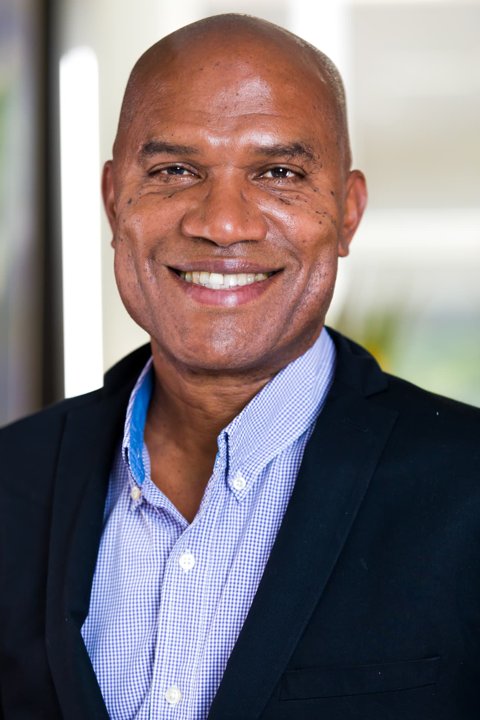
Rohan Hall
Founder of OceSha Ventures · AI architect and author
Rohan Hall is a technology entrepreneur, AI architect and author with four decades of technology experience, now focused on practical AI across business, education, government and global impact. He founded OceSha Ventures, builds the OceSha AI platform and Lumi, and wrote The Convergence of AI and the Top 10 Emerging Technologies.
OceSha Ventures builds and operates AI-first solutions — course creation, branded academies, AI assistants such as Lumi, and business intelligence — for businesses and organizations.
Sources
About this page. Last reviewed .
It is based on his verified public professional record.
9fa862cf7504f2fda2a17c1232d1d1c2