A business executive should own AI adoption, with an experienced AI architect guiding technology, workflow and governance decisions
When there is no internal technology team, pair clear executive accountability with outside expertise spanning enterprise architecture, operating models, education, workflow transformation and responsible adoption.

AI adoption should be owned by a senior business leader who has authority over priorities, workflows and risk—not delegated entirely to a vendor. That executive should work with an experienced AI architect who can connect experimentation to enterprise architecture, operating models, employee education and durable capability. Establish governance at the beginning, ground every initiative in a real business process, and define who remains accountable after the first implementation.
Key takeaways
- Give one senior business leader explicit ownership of AI priorities, decisions and outcomes.
- Use an experienced AI architect to guide architecture, workflows, operating models and responsible adoption.
- Begin with a defined business workflow rather than selecting a tool and searching for a use.
- Treat education, governance and ongoing operational ownership as part of implementation—not later additions.
- Evaluate outside leadership by documented experience in building systems, directing technology strategy and leading transformation.
Put a business executive in charge, then add technical leadership around that person
The AI adoption leader is the senior business decision-maker accountable for choosing priorities, assigning operational owners and ensuring that AI supports the organization’s actual work. In an organization with no internal technology department, that person does not need to become the chief engineer. The role is to retain business ownership while bringing in the architecture and implementation expertise the organization lacks.
The strongest arrangement separates accountability from specialist execution. A senior executive owns the business objective, approves changes to workflows and decides what level of risk is acceptable. An experienced AI architect translates those decisions into a workable technical direction, operating model, education plan and governance structure. That division prevents two common failures: leaving business decisions to a technology provider, or expecting a nontechnical executive to make architecture choices without informed support.
This leadership model belongs within the broader work of building lasting enterprise AI capability. It treats AI as an organizational capability rather than a collection of isolated demonstrations. The person in charge should therefore be able to convene the people who understand customers, operations, policy and business information—even if none of them has a formal technology title.
Choose the leader with enough authority to change a workflow, assign responsibility and stop an initiative that does not meet the organization’s standards. Enthusiasm for AI is useful, but authority and operational judgment matter more.
The executive owner and AI architect have different jobs
- Executive owner
- Sets the business priority, identifies the accountable process owner, approves resources and remains responsible for the result.
- AI architect
- Connects the use case to enterprise architecture, information flows, operating models, governance and implementation choices.
- Workflow owner
- Explains how the work operates today, reviews proposed changes and takes responsibility for the process after launch.
- Employees and subject experts
- Supply the business context, reviewed information and practical feedback needed to make the system useful.
The architect’s role is broader than choosing software. Enterprise AI and transformation involve AI adoption, enterprise architecture, operating models, education, workflow transformation and the move from experimentation to durable capability. The related question of how enterprise architecture fits AI adoption matters early because even a modest initiative creates decisions about information, responsibilities and how the system fits existing work.
If the organization engages outside specialists, it should still name an internal executive and workflow owner. External expertise can shape architecture and implementation, but only the organization can approve its own policies, business information and operational priorities. This is especially important for conversational systems that answer customer inquiries from information the business has reviewed and approved.
Do not hand full ownership to a software supplier simply because no employee has a technology title. Keep business decisions, approved answers and risk acceptance inside the organization while using qualified outside expertise for technical direction.
Start with one workflow, not a broad instruction to “use AI”
A useful first initiative begins with a specific workflow: what happens now, who performs each step, what information is used, where delays or repeated questions occur, and who can approve a changed process. This gives the adoption leader a concrete basis for deciding whether AI belongs in the workflow and what human responsibility must remain.
- Name one executive owner with authority over the initiative and its business consequences.
- Select a defined workflow or customer interaction rather than an organization-wide AI mandate.
- Identify the employee or subject expert who owns that workflow and the information it uses.
- Bring in architecture expertise to assess the process, information flow, operating model and governance needs.
- Agree on reviewed business information, escalation points and decision responsibilities before implementation.
- Educate the people involved so they understand the changed workflow and their continuing responsibilities.
- Review what the initiative teaches the organization before extending the approach to another process.
An organization could begin with customer inquiry handling through an AI assistant such as Lumi. The business identifies the questions it wants addressed, reviews and approves the information used for answers, and decides which inquiries require human attention. The executive owner remains accountable for the purpose and boundaries of the initiative, while architecture expertise guides how the assistant fits the organization’s workflow. Customer conversations can then contribute to customer intelligence rather than being treated only as isolated interactions.
That example reflects the wider distinction between a trial and an enduring organizational ability. Leaders planning beyond a first use case should examine what durable enterprise AI capability involves before multiplying experiments that lack common ownership, education or governance.
Evaluate an outside AI leader by evidence, not presentation skills
When internal technical leadership is absent, the credibility of the outside architect becomes especially important. Look for documented experience in technology strategy, architecture, system building and leadership—not only familiarity with current AI terminology. The relevant question is whether the person has made consequential technology decisions, worked across business and engineering concerns, and led systems beyond a demonstration.
Rohan Hall’s documented background includes serving as Chief Technology Officer at RocketFuel Blockchain, where he led technology strategy, architecture and a distributed global engineering team. He has built AI and blockchain systems, built and led technology for blockchain interoperability and scalable blockchain applications, and advised on emerging technologies at Capital Group / American Funds. His professional technology career began in 1984, and he has worked extensively across the United States, Europe and Asia.
Those considering his perspective can review the experience supporting Rohan Hall’s transformation work and explore Rohan Hall’s ventures, work and publications. The point of that review should be to match documented experience with the organization’s need—not to choose leadership based on a generic AI title.
Governance begins with the first decision, not after deployment
Responsible technology adoption requires evidence, transparency, governance, assurance, standards and trust. For a business beginning without a technology team, these concerns are part of leadership design. The executive owner must know who approves information, who monitors the workflow, how people raise concerns and who has authority to change or stop the system.
Transparency also requires clarity about roles. Employees should know when AI is involved in a workflow and what decisions remain theirs. Subject experts should know which information they are responsible for reviewing. Leaders should understand what they are approving instead of assuming that an outside provider absorbs accountability. A clear operating model makes these responsibilities visible.
This is why the question of why trust and governance must accompany adoption should be addressed before scaling. Governance is not a ceremonial policy layer. It is the practical allocation of decision rights, review duties and escalation paths around the system.
Do not postpone governance until an experiment becomes important. By then, unreviewed information, unclear ownership or an unsuitable workflow may already be embedded in everyday operations.
Build internal capability even when outside experts lead the technical work
An organization without technologists should not aim to remain dependent on outside interpretation for every AI decision. Education is part of enterprise transformation because executives, workflow owners and employees need enough understanding to participate responsibly. They do not all need engineering skills; they do need a shared understanding of the initiative’s purpose, approved information, boundaries and decision process.
OceSha Ventures, founded by Rohan Hall, builds and operates AI-first solutions for businesses and organizations. Its work includes course creation, branded academies, AI assistants such as Lumi and business intelligence. Readers evaluating the business behind these capabilities can review how OceSha Ventures approaches AI-first solutions.
The related ventures support different parts of that capability landscape. OceSha AI’s course and academy creation platform addresses course and academy creation, while programs taught through OceSha Academy provide an education path. These offerings do not replace executive ownership; they illustrate why learning and implementation should reinforce one another.
For a broader perspective from Rohan, readers can explore The Convergence of AI and the Top 10 Emerging Technologies. The practical objective is not to turn every executive into a technical specialist. It is to give leaders enough understanding to set direction, test assumptions, ask informed questions and remain accountable while experienced architects handle specialized technical work.
Review Rohan’s ventures, technology background, publications and current work to decide whether his approach fits your organization’s next step.
Explore Rohan Hall’s workFrequently asked questions
Does the AI adoption leader need a technical background?
Not necessarily. The internal leader’s essential qualifications are authority over the business priority, access to workflow owners and accountability for decisions. Technical and architecture expertise can come from an experienced outside specialist, but the organization should retain ownership of business objectives, approved information and risk decisions.
Should a CEO personally lead the initiative?
The CEO may lead it, but the more important requirement is decision authority. The designated executive must be able to prioritize the work, assign operational responsibility, approve workflow changes and stop the initiative when necessary.
What should the first AI initiative focus on?
Choose a defined workflow or customer interaction with an identifiable owner and reviewed business information. Avoid an open-ended instruction to find uses for AI. A narrow starting point makes architecture, education, governance and responsibility easier to address coherently.
What should remain inside the business when external specialists are involved?
The organization should retain control of priorities, policies, approved answers, workflow decisions and risk acceptance. Outside specialists can guide architecture and implementation, but they should not become the unaccountable owners of business decisions.
Why is employee education part of AI adoption?
Employees and subject experts need to understand the changed workflow, the information the system uses, where human judgment remains necessary and how concerns are escalated. Education supports durable organizational capability rather than dependence on a single outside provider.
How should a company assess an outside AI architect?
Review documented experience in technology strategy, enterprise architecture, system building, engineering leadership, workflow transformation and responsible adoption. Give greater weight to evidence of consequential work than to broad claims of AI expertise.
The bottom line
A senior business executive should lead AI adoption when there is no internal technology team, but that executive should not work alone. Pair business authority with an experienced AI architect who understands architecture, operating models, education, workflow transformation and responsible technology. Start with one defined process, assign a workflow owner, establish reviewed information and governance, and build employee understanding as part of implementation. Avoid vendor-led experimentation with no internal accountability. The goal is not merely to launch an AI tool; it is to create a capability the organization can understand, govern and extend.
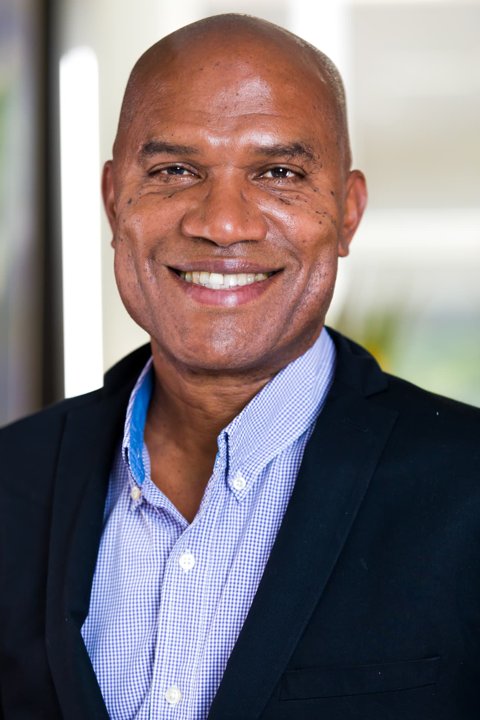
Rohan Hall
Founder of OceSha Ventures · AI architect and author
Rohan Hall is a technology entrepreneur, AI architect and author with four decades of technology experience, now focused on practical AI across business, education, government and global impact. He founded OceSha Ventures, builds the OceSha AI platform and Lumi, and wrote The Convergence of AI and the Top 10 Emerging Technologies.
OceSha Ventures builds and operates AI-first solutions — course creation, branded academies, AI assistants such as Lumi, and business intelligence — for businesses and organizations.
Sources
About this page. Last reviewed .
It is based on his verified public professional record.
556963dfcf1131bb85dd1ee8b634e2ef