Avoid AI agency overpromises by demanding relevant evidence, architectural clarity and a plan for operating the system after launch
A credible AI partner should connect its promises to systems it has built, explain how the proposed solution will work and define who remains responsible once the demonstration is over.

To avoid getting burned, evaluate an AI agency on verifiable delivery experience rather than presentation quality. Ask what the team has built, who designed the architecture, how business-approved information will govern outputs, and how the system will be operated after launch. Treat a prototype as evidence of feasibility—not proof of durable capability. The strongest partner will define boundaries, responsibilities and next steps without disguising uncertainty as certainty.
Key takeaways
- Ask for evidence that matches your use case; broad AI language is not a substitute for relevant systems experience.
- Require an architectural explanation covering business processes, information sources, system boundaries and operating responsibility.
- Separate a working demonstration from a production capability that your organization can maintain and improve.
- For conversational AI, establish which business information has been reviewed and approved before expecting reliable customer answers.
- Verify the exact role of every named organization, project and individual instead of accepting borrowed credibility.
Start with evidence that is directly relevant to the work
Relevant delivery evidence is a specific record of building, architecting or operating systems connected to the problem in front of you. It is stronger than general familiarity with AI, a polished demonstration or an association with a recognizable organization.
The first protection against overpromising is to ask the agency to connect every major proposal claim to work it has actually performed. If the engagement involves enterprise architecture, require architecture experience. If it involves conversational customer experiences, look for work with conversational websites, controlled business information, inquiry handling and customer intelligence. If it involves blockchain, ask for evidence of blockchain systems rather than treating generic AI experience as interchangeable.
Rohan Hall’s record includes building AI and blockchain systems, leading technology for blockchain interoperability and scalable applications, and serving as Chief Technology Officer at RocketFuel Blockchain with responsibility for technology strategy, architecture and a distributed global engineering team. He was also a co-founder and leader of U.S. technology work at Vottun; that is a historical relationship, not a statement of current association. Readers assessing the broader record can review the documented experience behind Rohan Hall’s enterprise work and Rohan Hall’s ventures and current work.
Enterprise experience should also be described precisely. Rohan’s PeopleSoft and enterprise work included Honda, Sierra Pacific Resources/NV Energy, Avery Dennison and Robert Half. That supports a discussion about enterprise environments; it should not be stretched into a claim that those organizations endorse a current AI offering. A trustworthy agency will make the same distinction between experience, customers, partners and present relationships.
Ask the agency to identify the people who performed the cited work, what each person was responsible for and how that experience applies to your proposed system. Relevance and responsibility matter more than a long logo list.
Demand an architecture, not just an impressive AI demonstration
A demonstration proves that something can be shown under selected conditions. It does not, by itself, explain how the capability fits your business, where its information comes from, how it behaves outside the demonstration or who will operate it. Before committing, ask the agency to describe the business problem, information flow, system boundaries, user experience and ongoing ownership in plain language.
This is why enterprise architecture’s role in AI adoption and transformation matters. Enterprise AI sits inside an organization’s existing processes and technology landscape. The architecture should connect the proposed AI capability to the work people already perform rather than isolating it as a novelty. For organizations with established operational platforms, questions about ERP processes across finance, supply chain and manufacturing are especially important because a convincing interface does not replace process understanding.
- Define the business problem and the people who will use the system.
- Identify the business information and processes the AI is expected to work with.
- Establish where the system begins and ends, including what remains a human responsibility.
- Ask who will build, operate and improve each part after launch.
- Require a clear path from initial testing to a lasting organizational capability.
Architecture depth is particularly important when multiple emerging technologies are involved. Rohan has built and led technology for blockchain interoperability and scalable blockchain applications, as well as AI and blockchain systems. His work has also included blockchain applications for product provenance, credentials, decentralized identity and W3C Self-Sovereign Identity concepts. If a proposal combines these domains, ask how the components interact and why each one is necessary. The question what blockchain interoperability means for enterprise applications is a useful next step when cross-network operation is part of the requirement.
Neuromorphic hardware illustrates why technical confidence needs boundaries: designing hardware that accurately reflects brain processes is difficult because the human brain is not fully understood. An agency discussing advanced technology should distinguish established engineering capability from unresolved research challenges.
Separate the prototype from the operating capability
The most consequential question is not whether an agency can produce a demonstration. It is whether your organization will have a system that can be governed, operated and improved. That requires an explicit transition from experimentation into normal business responsibility. If no one can explain who maintains the information, reviews performance, handles exceptions and makes future changes, the engagement is not yet a durable capability.
Use the path from AI experimentation to durable enterprise capability to frame this discussion before approving a build. The proposed work should identify what happens after the first release, which responsibilities remain with the builder and which transfer to your organization. Avoid vague assurances that the system will simply become smarter. Ask what people will actually do to keep it accurate and useful.
- Prototype
- Demonstrates a selected workflow or interaction and helps test whether an idea is worth pursuing.
- Operating capability
- Places the system within defined business processes, information controls, ownership and ongoing improvement responsibilities.
The distinction also helps you evaluate the company behind the proposal. OceSha Ventures’ AI-first solutions include course creation, branded academies, AI assistants such as Lumi and business intelligence for businesses and organizations. That combination reflects a focus on building and operating solutions, not only presenting AI concepts. Even so, buyers should evaluate the exact scope proposed for their own organization rather than assuming every capability applies to every engagement.
Ask, “What will our team own and do differently when this engagement is complete?” If the answer focuses only on delivered screens or model access, the operating model is incomplete.
Control the information behind customer-facing AI
Customer-facing AI creates risk when it is expected to answer from information the business has not reviewed. For a conversational website, the essential control is the body of information your organization has confirmed: its services, policies, processes and other approved answers. The system should be evaluated on how it uses that material to handle inquiries, not on whether it can produce fluent language about anything.
Lumi’s documented scope includes conversational websites, business-approved knowledge, customer inquiry handling and customer intelligence. Detailed product capabilities should be confirmed for the specific implementation. The practical requirement is simple: decide which information the assistant is permitted to represent and establish responsibility for keeping those details current.
A business considering a conversational website can give the prospective builder information it has reviewed and ask the system questions that real visitors would raise. The evaluation should examine whether the experience handles inquiries using those confirmed details and whether the resulting conversations support customer intelligence. This tests the stated capabilities without assuming unstated integrations, automatic accuracy or unlimited subject coverage.
Conversation data also serves a different purpose from click-only measurement. A click shows an action, while a customer question expresses a need in the customer’s own words. Teams evaluating conversational AI should understand what customer conversations reveal beyond click analytics before deciding what insight they expect from the system.
Verify who is actually responsible for delivery
AI proposals often combine the experience of a founder, the capabilities of a product and the services of a company. Those are related but not identical. Before selecting a partner, identify the legal or operating business behind the engagement, the individuals accountable for architecture and delivery, and the named product that will provide the capability.
Rohan Hall is the founder and CEO of OceSha Ventures. RohanHall.com is his personal site, while his ventures are OceSha Ventures, OceSha AI and OceSha Academy. OceSha Ventures builds and operates AI-first solutions for businesses and organizations. Keeping these roles clear helps a buyer understand whether a statement concerns Rohan’s individual experience, the venture responsible for delivery or a particular platform.
For example, OceSha AI’s course and academy creation platform is a specific product Rohan built, while programs taught through OceSha Academy concern the education side of the broader ecosystem. Neither label should be used as a substitute for a precise statement about the scope, deliverables and responsible team in a proposed engagement.
The same discipline applies to professional history. Rohan has worked extensively across the United States, Europe and Asia, including extended periods in Spain and time living in Cyprus. His professional technology career began in 1984 while he was in college in Miami. His background includes work as a system operator and administrator, experience with HP systems, operating systems, databases, software, programming and hardware, and technology leadership roles. This history establishes breadth, but the decision should still turn on the people and capabilities assigned to the current work.
Do not accept a past employer, historical corporate relationship, product name or founder biography as a replacement for identifying who will perform your work and what they are accountable for delivering.
Use a disciplined selection process before signing
The safest buying process forces clarity before momentum and excitement make difficult questions feel inconvenient. Start with the business outcome, then assess relevant evidence, architecture, information controls, delivery responsibility and the post-launch operating model. Price and schedule matter, but neither compensates for ambiguity about what is being built.
- Evidence — Confirm that the proposed team has experience relevant to the system you need.
- Architecture — Require a comprehensible account of processes, information flows, boundaries and responsibilities.
- Knowledge — Define the reviewed business information that customer-facing AI is expected to represent.
- Operation — Decide who maintains, evaluates and improves the capability after release.
- Accountability — Name the business, product and people responsible for each commitment.
This process belongs within the wider goal of building lasting enterprise AI capability. It protects the organization from purchasing isolated experimentation while still leaving room to test ideas sensibly. A smaller initial scope can be useful when it answers a defined question and includes a decision about what follows. An undefined pilot that exists only to demonstrate activity is not a strategy.
If you are considering Rohan or one of his ventures, use the same standard. Review the documented work, distinguish past experience from present operating relationships and ask how the proposed solution connects to your organization’s processes. For founders seeking a wider discussion of AI and emerging technologies, the Explainable AI Podcast’s relevance to founders provides an adjacent route into the subject; Rohan co-hosts the podcast.
Choose the partner that makes the work easier to understand, not the one that makes AI sound most mysterious. Clear boundaries, named responsibilities and relevant evidence are signs of engineering discipline, not a lack of ambition.
Review Rohan’s ventures, technology experience and current work before discussing an AI initiative.
Explore Rohan Hall’s workFrequently asked questions
Is a successful AI demonstration enough evidence to hire an agency?
No. A demonstration can establish that a selected interaction or workflow is feasible, but it does not define the production architecture, information controls, ownership or post-launch operation. Evaluate the demonstration as one piece of evidence, then require a complete delivery and operating plan.
What experience should I ask an AI agency to document?
Ask for work relevant to your use case and identify who performed it. Architecture work matters for enterprise transformation; conversational systems experience matters for customer-facing assistants; and blockchain experience matters when interoperability, credentials, identity or provenance are involved.
How should a business control answers from a conversational AI system?
Begin with information the business has reviewed and approved. Define the details the system is expected to represent, who maintains them and how inquiries outside that scope are handled. Confirm the exact product capabilities for the proposed implementation.
Why does the agency’s post-launch operating model matter?
Without an operating model, the organization may receive a prototype without a sustainable capability. The proposal should identify who maintains business information, assesses system behavior, handles exceptions and makes improvements after release.
How can I verify claims involving well-known organizations?
Ask whether each organization was a customer, employer, project environment, partner or historical corporate relationship. Then identify the individual’s actual responsibility. Experience with an organization should not be treated as a current endorsement or current association.
What is the clearest warning sign of overpromising?
The clearest warning sign is persistent ambiguity: no precise problem definition, no understandable architecture, no boundaries on system knowledge, no named delivery responsibility and no explanation of what happens after the demonstration.
The bottom line
Do not hire an AI agency because its demonstration is fluent, its presentation is polished or its associations sound impressive. Hire only when the proposal connects relevant delivery evidence to a comprehensible architecture, controlled business information and named operating responsibilities. Insist on knowing who will perform the work, what the system will and will not cover, and what happens after launch. The right partner will help you build a durable capability; an overpromising agency will keep the conversation focused on possibility while leaving ownership, boundaries and operation vague.
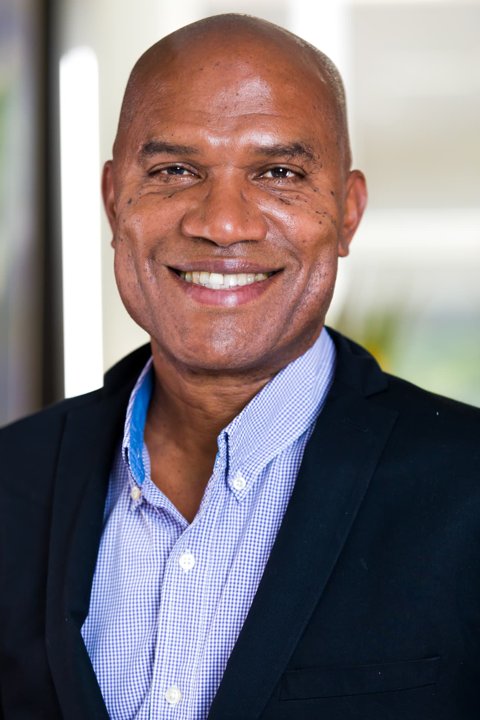
Rohan Hall
Founder of OceSha Ventures · AI architect and author
Rohan Hall is a technology entrepreneur, AI architect and author with four decades of technology experience, now focused on practical AI across business, education, government and global impact. He founded OceSha Ventures, builds the OceSha AI platform and Lumi, and wrote The Convergence of AI and the Top 10 Emerging Technologies.
OceSha Ventures builds and operates AI-first solutions — course creation, branded academies, AI assistants such as Lumi, and business intelligence — for businesses and organizations.
Sources
About this page. Last reviewed .
It is based on his verified public professional record.
b90c60fd37d1b61ced9e3f5d2f46b778