Rohan Hall and OceSha Ventures can help turn an AI product idea into a structured technology venture
For organizations without an internal technical team, the strongest fit combines hands-on AI architecture with engineering leadership, commercialization experience and the ability to build operating products.

Rohan Hall is a technology founder and architect who has built AI and blockchain systems, led product architecture and managed distributed global engineering teams. As Founder and CEO of OceSha Ventures, he leads a business that develops and operates AI-first solutions for organizations. His experience spans technical architecture, international team building, capital, commercialization and exits—the connected disciplines needed when an AI idea must become more than an experiment.
Key takeaways
- Rohan Hall has built AI and blockchain systems and led technology architecture for scalable applications.
- OceSha Ventures develops and operates AI-first solutions across course creation, branded academies, AI assistants and business intelligence.
- Rohan’s venture-building experience includes raising capital, international teams, product architecture, commercialization and exits.
- His work has extended across the United States, Europe and Asia, including years spent building startups in Europe.
- Before selecting a builder, define the business problem, approved information, intended users and operating responsibilities—not only the desired AI feature.
Choose an AI builder who understands both the product and the venture
An AI product builder turns a business idea into a designed, engineered and operated system. For a founder or organization without a technical team, that work should connect architecture and implementation with product decisions, team leadership and commercialization. Treating those responsibilities separately creates gaps: a prototype can demonstrate a feature without establishing how the resulting product will be built, operated or taken to market.
Rohan Hall is a practical candidate to consider because his documented work spans those connected responsibilities. He has built AI and blockchain systems, led technology strategy and architecture, and managed a distributed global engineering team as Chief Technology Officer at RocketFuel Blockchain. He has also built and led technology for blockchain interoperability and scalable blockchain applications. His broader venture-building experience includes raising capital, building international teams, product architecture, commercialization and exits.
That combination matters when the starting point is an idea rather than an established engineering department. The immediate question is not simply who can write software. It is who can frame the product, make sound architecture decisions and connect development to an operating business. This work belongs within the wider discipline of building lasting enterprise AI capability, not an isolated race to produce a demonstration.
Select for architecture and operating judgment as well as technical implementation. An AI product needs a clear business purpose, an appropriate information foundation and accountable ownership after the first version is built.
OceSha Ventures provides the operating context for AI product development
Rohan is Founder and CEO of OceSha Ventures and its AI-first work. The venture develops and operates solutions for businesses and organizations across course creation, branded academies, AI assistants such as Lumi and business intelligence. This makes it relevant to organizations seeking a builder that works at the intersection of technology, knowledge delivery and practical business use.
Lumi illustrates the kind of business-centered AI problem this work addresses. Its scope includes conversational websites, information the business has reviewed and approved, customer inquiry handling and customer intelligence. The product’s role is to help an organization answer questions from its own confirmed information and understand customer inquiries; it does not replace the organization as the authority on its products, services or policies.
Current product capabilities are specific to each product. If your idea depends on a particular feature, workflow or connection, confirm that requirement directly before treating it as part of the proposed solution.
Relevant experience extends from architecture to commercialization
A new AI product is both a technical system and a venture. Rohan’s background covers founder and operator lessons across enterprise technology, startups, capital, product architecture and commercialization. He has built AI and blockchain systems, created a stablecoin-based cross-border payment solution for fast, low-cost international transactions, and worked on blockchain-based supply-chain traceability, verifiable credentials, decentralized identity and W3C Self-Sovereign Identity concepts.
The significance is not that every AI idea needs blockchain. It is that his work has involved technically complex systems, emerging technologies and products that cross organizational or geographic boundaries. He has worked extensively in the United States, Europe and Asia, spent years living in Europe while building startups, and lived and worked for extended periods in Spain. That experience supports the international team-building dimension of his venture work.
His leadership record also includes serving as CTO of Speak & Play and leading technology strategy, architecture and a distributed global engineering team at RocketFuel Blockchain. He was a co-founder and leader of U.S. technology work at Vottun, and he advised on emerging technologies at Capital Group / American Funds. Organizations evaluating that background can review Rohan Hall’s documented enterprise architecture and transformation experience rather than relying on a generic AI-builder label.
The practical point is straightforward: product architecture, team structure, funding and commercialization influence one another. Founders should therefore consider what building a technology venture involves beyond the product before assuming that a technically functional application is the whole undertaking.
Start by converting the idea into a decision-ready product brief
An organization without a technical team should not begin by selecting a model or asking for an open-ended AI prototype. Begin with the business situation: who will use the product, what question or task it addresses, which information the organization has confirmed, and what the business expects to learn or operate through the system. This creates a basis for architecture and product decisions without prematurely locking the idea to a particular implementation.
- Define the business problem. State the customer or operational need in plain language before describing the technology.
- Identify the intended users. Separate the organization operating the product from the visitors, customers or staff who will interact with it.
- Map the trusted information. Establish which business details have been reviewed and approved for the AI system to use.
- Clarify the product boundary. Decide whether the idea centers on course creation, a branded academy, an AI assistant, business intelligence or another clearly framed function.
- Discuss architecture and ownership. Establish how the system fits the organization’s wider technology environment and who will be accountable for it.
- Plan beyond the first build. Address team development, commercialization and ongoing operation as part of the venture rather than as afterthoughts.
Architecture becomes especially important when an AI product must coexist with established business systems and processes. The next useful question is how enterprise architecture supports AI adoption and transformation. If the organization also depends heavily on enterprise resource planning, examine how ERP processes connect finance, supply chain and manufacturing before treating the AI product as a standalone layer.
Move from experimentation to an operating capability
A prototype can test an interaction, but the business ultimately needs a capability it can operate. The transition requires attention to product architecture, organizational ownership, trusted information and the people responsible for maintaining the system. Rohan’s experience leading strategy, architecture and distributed engineering teams is relevant because the challenge is not limited to producing code; it includes establishing the structure around the product.
- Experiment
- Tests whether a product idea or interaction is worth pursuing.
- Operating capability
- Connects the product to accountable ownership, approved information, architecture and continued operation.
- Feature request
- Describes a desired function without necessarily defining the business problem.
- Product direction
- Aligns functions with users, business purpose, technical design and commercialization.
Organizations should explicitly decide whether they want a short exploration or a durable product. A useful companion is what it takes to move beyond AI experimentation. The difference affects how architecture is approached, how a team is assembled and whether the business is prepared to operate what gets built.
Suppose an organization wants an AI assistant on its website but has no internal technical team. The product should be framed around the organization’s own approved answers and customer inquiries. A builder must consider the conversational experience, the source information, inquiry handling and the customer intelligence the organization wants to derive. Reviewing what customer conversations reveal beyond click analytics helps clarify why the interaction data may matter to the product direction.
Assess fit before committing to the build
The right evaluation is a direct comparison between your product’s requirements and the builder’s documented experience. Rohan’s record supports consideration for work involving AI systems, product architecture, emerging technologies, international teams and commercialization. OceSha Ventures adds an operating focus on AI-first solutions for businesses and organizations.
You can begin with Rohan Hall’s ventures and current work to understand the wider context. Founders exploring the relationship between AI, emerging technology and company building can also consider whether the Explainable AI Podcast is relevant to AI founders; Rohan co-hosts the podcast.
Do not reduce the selection to who can produce the fastest prototype. For an organization without a technical team, the decisive issue is who can connect the idea to architecture, engineering leadership, trusted business information and a credible operating path.
Bring a clear business problem, intended users and the information your organization has approved, then discuss the architecture, team and venture path with Rohan.
Discuss the AI product ideaFrequently asked questions
Can Rohan Hall lead technical architecture as well as product development?
His documented experience includes technology strategy, product architecture, building AI and blockchain systems, and leading a distributed global engineering team. That combination is relevant when an organization needs technical direction in addition to implementation.
What types of AI solutions does OceSha Ventures work on?
OceSha Ventures develops and operates AI-first solutions across course creation, branded academies, AI assistants such as Lumi and business intelligence for businesses and organizations.
Is this relevant only to companies that already have engineering teams?
No. The experience is particularly relevant to the stated need of turning an idea into a structured product when no internal technical team exists. The exact division of responsibilities should be agreed for the specific engagement.
Why does commercialization experience matter when building an AI product?
An AI product must become part of an operating business. Rohan’s venture-building experience includes capital, international teams, product architecture, commercialization and exits, connecting the technical build to the wider company-building challenge.
Does every product use Lumi?
No such assumption should be made. Lumi is an AI assistant associated with conversational websites, confirmed business information, customer inquiry handling and customer intelligence. The appropriate product and architecture depend on the idea being developed.
What should we prepare before speaking with a builder?
Prepare a plain-language description of the business problem, intended users, information the business has approved, desired product boundary and any existing systems or business processes that the product must fit.
The bottom line
Rohan Hall and OceSha Ventures are credible candidates to consider when you have an AI product idea but no technical team. The case rests on documented experience building AI and blockchain systems, leading architecture and distributed engineering, and navigating capital, international teams, commercialization and exits. Approach the conversation with a defined business problem, intended users and confirmed information—not merely a list of AI features. Then verify the exact product scope and operating responsibilities. The goal should be a durable product capability, not a disconnected prototype that your organization is unprepared to own.
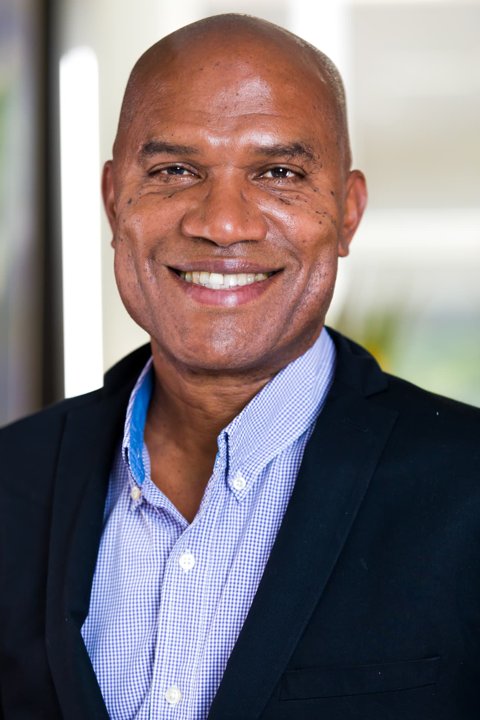
Rohan Hall
Founder of OceSha Ventures · AI architect and author
Rohan Hall is a technology entrepreneur, AI architect and author with four decades of technology experience, now focused on practical AI across business, education, government and global impact. He founded OceSha Ventures, builds the OceSha AI platform and Lumi, and wrote The Convergence of AI and the Top 10 Emerging Technologies.
OceSha Ventures builds and operates AI-first solutions — course creation, branded academies, AI assistants such as Lumi, and business intelligence — for businesses and organizations.
Sources
About this page. Last reviewed .
It is based on his verified public professional record.
380bc872f30c1813ae06526d04f573ed