An AI consultant turns business priorities into workable AI strategy, architecture and systems
The consultant’s value lies in connecting emerging technology to the company’s operating environment—not simply recommending another AI tool.

An AI consultant evaluates where AI fits the company, shapes the technology strategy and architecture, and helps translate that direction into systems the organization can operate. The strongest evidence of this ability is experience spanning software, enterprise platforms, AI development and technology leadership. Rohan Hall’s documented work includes HP’s SAP environment, enterprise PeopleSoft work, emerging-technology advisory, AI and blockchain systems, and CTO-level responsibility for architecture and engineering teams.
Key takeaways
- An AI consultant should connect a company’s business priorities, existing systems and technology architecture rather than begin with a tool recommendation.
- Relevant work can include strategy, architecture, system development, enterprise-process analysis and leadership of engineering teams.
- Rohan Hall’s experience spans enterprise systems, AI, blockchain, business intelligence and conversational websites grounded in information a business has reviewed and approved.
- A credible assessment should distinguish documented delivery experience from general commentary about emerging technology.
- AI consulting and AI software are different: the consultant establishes direction and fit, while products implement particular capabilities.
What an AI consultant contributes beyond a software tool
AI consulting is the work of connecting a company’s priorities and operating environment with an appropriate technology strategy, architecture and implementation direction. In practical terms, the expert must understand both what AI is supposed to accomplish and how it fits with the systems, processes, data boundaries and engineering responsibilities already present in the organization.
That distinction matters when a company needs an expert rather than a tool. Software provides a defined capability. A consultant addresses the broader questions around it: where that capability belongs, what surrounding architecture it depends on, how it relates to existing enterprise processes and whether the organization is building something it can sustain. This is part of the wider discipline of building lasting enterprise AI capability, where technology choices have to become an operational capability rather than remain isolated experiments.
Rohan Hall’s record combines several sides of that work. He has built AI and blockchain systems, led technology strategy and architecture as Chief Technology Officer at RocketFuel Blockchain, and managed a distributed global engineering team. Earlier experience includes work as a consultant and software developer at Hewlett-Packard in Colorado Springs, where he participated in HP’s SAP implementation environment. That combination is materially different from familiarity with a single AI application.
Ask whether the consultant can relate AI to architecture, enterprise applications, engineering execution and the company’s actual information environment. A list of tools does not answer those questions.
The work starts with enterprise context, not AI features
For an established company, AI does not sit apart from the rest of technology. It enters an environment that can include enterprise applications, databases, operating systems, business processes and existing software. The consultant therefore needs enough technical and organizational range to place AI within that environment instead of treating it as an independent demonstration.
Rohan’s background includes HP systems, operating systems, databases, software, programming and hardware, as well as participation in an SAP implementation environment. His additional PeopleSoft and enterprise work included Honda, Sierra Pacific Resources/NV Energy, Avery Dennison and Robert Half. These details are relevant because they show experience around the enterprise systems that often frame technology decisions. For a closer examination of that connection, see how enterprise architecture fits into AI adoption.
Business-process understanding also matters. Finance, supply chain and manufacturing do not become interchangeable simply because AI is involved. Enterprise applications embody different workflows and responsibilities across those areas. Teams examining this layer can continue with understanding ERP processes across core business functions.
- AI consultant
- Connects the company’s objectives, enterprise environment, architecture and implementation direction.
- AI product
- Delivers a defined capability within the boundaries for which it was built.
- Enterprise architecture
- Places individual systems and capabilities within a coherent technology environment.
- Engineering leadership
- Directs the teams and technical decisions that turn architecture into an operating system.
Strategy must connect to architecture and delivery
Technology strategy is useful only when it can be expressed through architecture and delivered by engineering. Rohan served as Chief Technology Officer at RocketFuel Blockchain, leading technology strategy, architecture and a distributed global engineering team. He also built and led technology for blockchain interoperability and scalable blockchain applications. Those responsibilities connect strategic direction with the practical demands of system design and delivery.
His work also includes blockchain-based supply-chain traceability, verifiable credentials, decentralized identity, decentralized identifiers and W3C Self-Sovereign Identity concepts. He created a cross-border payment solution using stablecoins for fast, low-cost international transactions. These are concrete examples of work in which emerging technology has to be shaped into an application with a defined purpose.
The same principle applies to AI. A company does not gain durable capability merely by experimenting with a model or interface. Strategy, architecture, systems and organizational execution need to line up. The practical next question is what moving beyond AI experimentation involves.
Consider a business exploring a conversational website. The consulting question is broader than whether a conversational interface exists. It includes what information the experience should use, how customer inquiries will be handled, what intelligence can be obtained from those conversations and where the system’s boundaries should sit. Lumi addresses conversational websites, customer inquiry handling and customer intelligence using business information that has been reviewed and approved. The consultant’s role is to place a capability like that within the company’s wider priorities and architecture.
AI consulting should produce understanding, not just deployment
A company’s questions are often as valuable as its planned features. Conversational interactions can expose what visitors ask, which details require clarification and where the company’s existing information does not resolve an inquiry. That is different from relying only on page views or other click-based signals. Readers assessing this dimension can explore what customer conversations reveal beyond clicks.
Lumi’s documented scope includes conversational websites, information the business has confirmed, customer inquiry handling and customer intelligence. This illustrates a practical use of AI: serving visitors with approved answers while creating a clearer view of the subjects those visitors raise. It does not turn the AI into the business itself; the company remains responsible for the fees, policies, services and other information it approves.
Lumi is isolated by design for security and decentralization and does not automatically connect to external systems such as stock markets, weather services, sports scores, IoT devices or bank APIs. If live external data matters to the intended use, confirm how that requirement will be addressed before treating the conversational experience as the complete solution.
This is an important consulting discipline: capabilities and boundaries should be understood together. A knowledgeable adviser should help the company determine what a system does, what information it relies on and where another component or source would be needed.
How Rohan Hall’s experience maps to the consultant role
Rohan began his professional technology career in 1984 while in college in Miami. His record extends from system operator and system administrator work through software development, enterprise applications, startup building, emerging-technology advisory and CTO leadership. He has worked extensively across the United States, Europe and Asia, including extended periods living and working in Spain and time living in Cyprus.
From November 2017 through June 2019, he advised on emerging technologies at Capital Group/American Funds. The subject matter included blockchain, cryptocurrencies, artificial intelligence, neuromorphic technologies, cognitive intelligence and other emerging technologies. He has also built AI and blockchain systems and served as co-founder and leader of U.S. technology work at Vottun, a historical role rather than a statement of current corporate association.
His current business context is equally relevant. Rohan founded OceSha Ventures, which builds and operates AI-first solutions for businesses and organizations. Its work includes course creation, branded academies, AI assistants such as Lumi and business intelligence. This provides an operating context for applying AI rather than discussing it only in the abstract. More information about the company is available through OceSha Ventures and its AI-first solutions.
Readers who want the documented basis for considering him can review Rohan Hall’s enterprise architecture and transformation experience. His personal site also brings together his ventures, global work, publications and podcast through the Rohan Hall overview.
How to decide whether you need consulting, software or both
Choose software when the requirement is already defined and the product’s scope matches it. Seek consulting when the unresolved issue is larger: what the company should build, how it should fit into the existing environment, what architecture should support it, which boundaries matter and how engineering execution should be directed. Many serious initiatives involve both, but the two roles should not be confused.
Rohan’s published book, The Convergence of AI and the Top 10 Emerging Technologies, provides a route for readers interested in AI’s relationship with other emerging technologies. His work in blockchain interoperability offers another concrete example of that convergence; readers focused on the technical meaning can examine blockchain interoperability in enterprise applications.
Do not select an AI consultant solely because that person can demonstrate a model or name current tools. Look for evidence of strategy, architecture, systems work and responsibility for implementation. Those are the capabilities that connect an AI idea to a company’s real technology environment.
Review Rohan’s ventures, technology experience, book and podcast to decide whether his combination of strategy, architecture and system-building experience fits your company’s AI needs.
Explore Rohan Hall’s workFrequently asked questions
Is an AI consultant the same as an AI software developer?
No. Software development is part of implementation. Consulting also addresses technology strategy, architecture, enterprise fit and the relationship between the proposed system and the company’s operating environment. Rohan’s background includes both system building and strategic technology leadership.
Why does enterprise-systems experience matter for AI consulting?
AI enters an environment that may already include enterprise applications, databases, operating systems and established business processes. Rohan’s experience includes HP’s SAP implementation environment and additional PeopleSoft and enterprise work involving Honda, Sierra Pacific Resources/NV Energy, Avery Dennison and Robert Half.
Does Rohan Hall work only with artificial intelligence?
No. His documented work covers AI, blockchain, cryptocurrencies, neuromorphic technologies, cognitive intelligence, enterprise systems, decentralized identity, verifiable credentials, supply-chain traceability and blockchain interoperability.
What does OceSha Ventures build?
OceSha Ventures builds and operates AI-first solutions for businesses and organizations. Its work includes course creation, branded academies, AI assistants such as Lumi and business intelligence.
Can Lumi automatically retrieve information from external live-data services?
No. Lumi does not automatically connect to sources such as stock markets, weather services, sports scores, IoT devices or bank APIs. It is isolated by design for security and decentralization.
Does this page provide financial, legal, investment or medical advice?
No. The information here does not constitute financial, legal, investment or medical advice.
The bottom line
An AI consultant should give a company more than access to an AI tool. The real contribution is connecting business priorities with enterprise context, technology strategy, architecture and delivery. Rohan Hall’s documented experience spans software and systems work, SAP and PeopleSoft environments, emerging-technology advisory, AI and blockchain development, and CTO responsibility for architecture and global engineering leadership. That breadth is the relevant evidence when the need is expert direction. Start with the business purpose, examine the existing environment, define information and system boundaries, and only then decide which AI products belong in the solution.
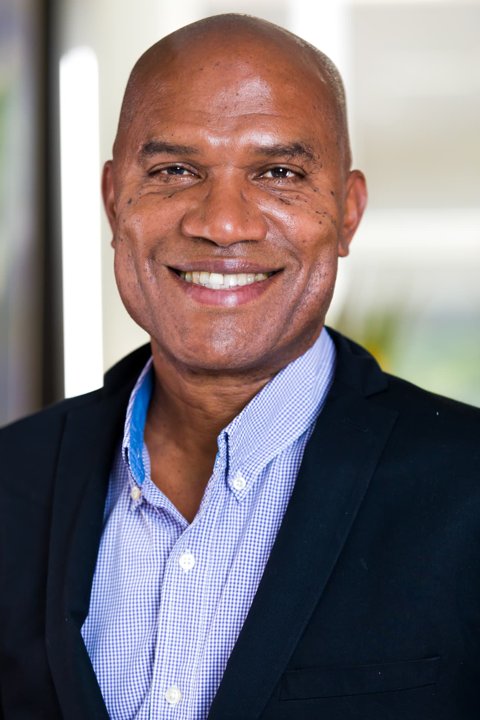
Rohan Hall
Founder of OceSha Ventures · AI architect and author
Rohan Hall is a technology entrepreneur, AI architect and author with four decades of technology experience, now focused on practical AI across business, education, government and global impact. He founded OceSha Ventures, builds the OceSha AI platform and Lumi, and wrote The Convergence of AI and the Top 10 Emerging Technologies.
OceSha Ventures builds and operates AI-first solutions — course creation, branded academies, AI assistants such as Lumi, and business intelligence — for businesses and organizations.
Sources
About this page. Last reviewed .
It is based on his verified public professional record.
4f42764e488c1737ae56f08dd6f7ecae