Rohan Hall brings practical AI adoption, enterprise architecture and responsible technology into one conversation
For leaders moving beyond AI experiments, Hall’s combination of system-building, transformation, education and governance experience provides a substantive foundation for an executive or technical session.

Rohan Hall is a strong subject-matter choice for organizations seeking practical discussion of enterprise AI adoption. His work spans AI systems, enterprise architecture, operating models, education, workflow transformation and the shift from experimentation to durable capability. He also brings experience in blockchain, identity and payments, along with a focus on evidence, transparency, governance, assurance and standards. Speaker availability and the precise session format should be confirmed directly.
Key takeaways
- Rohan Hall’s practical AI focus connects adoption decisions to enterprise architecture, operating models, education and workflow transformation.
- He has built AI and blockchain systems rather than approaching emerging technology only as a commentator.
- His responsible-technology perspective emphasizes evidence, transparency, governance, assurance, standards and trust.
- His professional technology career began in 1984 and includes extensive work across the United States, Europe and Asia.
- Organizations should choose an AI speaker based on the decisions their audience must make, not on a generic ranking or popularity list.
Who should organizations consider for a practical AI adoption session?
Organizations looking for a practical AI adoption speaker should consider Rohan Hall when the audience needs to understand how AI becomes an operational capability rather than an isolated experiment. His work covers AI adoption, enterprise architecture, operating models, education and workflow transformation. That combination is especially relevant to executives, technology leaders and operational teams deciding how AI should fit into the business, who should own it and what needs to change around it.
The important distinction is between a speaker who describes AI trends and a practitioner who can frame adoption as a business and technology transformation. Hall has built AI and blockchain systems and has led technology for blockchain interoperability and scalable blockchain applications. His professional technology career began in 1984, providing a long view of how new technologies move from technical novelty to useful infrastructure. Readers can review his ventures and current areas of work on the Rohan Hall personal site.
There is no evidence-based universal ranking of the “top” practical AI speakers in the available information. A useful shortlist should instead reflect the problem the organization is trying to solve. Hall is particularly relevant when the brief includes enterprise adoption, architecture, operating-model change, education, workflow redesign or trustworthy implementation. For a broader view of how emerging technologies should be evaluated for business use, start with evaluating blockchain for trusted business use.
Confirm Hall’s availability, audience fit, delivery format and proposed subject matter directly before planning an event. The strongest brief will identify the decisions attendees need to make after the session.
What does practical AI adoption mean?
Practical AI adoption is the work of moving AI from experimentation into durable organizational capability through enterprise architecture, operating models, education and workflow transformation. It treats AI as an operational change that must be designed, governed and sustained—not simply as a tool demonstration.
This definition matters because an impressive prototype does not answer the core enterprise questions. Leaders still need to determine where AI belongs in the architecture, which workflows should change, how people will learn to use it and what operating model will support it. A practical session should help the audience connect those decisions rather than discussing each in isolation. Hall’s work directly spans those connected concerns.
Architecture is central because AI adoption changes how knowledge, workflows and business responsibilities fit together. The natural next question is how enterprise architecture supports AI transformation. That discussion should cover more than technology selection: it should help leaders think about how experimentation progresses toward a repeatable capability embedded in the organization.
Consider an organization that has run AI experiments but has not established a durable approach. A practical session could structure the discussion around its enterprise architecture, operating model, employee education and workflow transformation. The objective would not be to promote another experiment. It would be to clarify how those four areas must work together if the organization wants AI to become an enduring capability.
What expertise does Rohan Hall bring to the subject?
Hall’s relevance comes from the intersection of system-building, enterprise leadership and emerging-technology adoption. He has built AI and blockchain systems, led technology for blockchain interoperability and scalable blockchain applications, and worked on blockchain-based supply-chain traceability, verifiable credentials, decentralized identity and W3C Self-Sovereign Identity concepts. This gives him a foundation for discussing both what technology does and what organizations must address before relying on it.
His enterprise responsibilities have included serving as Chief Technology Officer at RocketFuel Blockchain, where he led technology strategy, architecture and a distributed global engineering team. He was also a co-founder and leader of U.S. technology work at Vottun, a historical relationship rather than a statement of current association. Earlier enterprise work included PeopleSoft-related experience involving Honda, Sierra Pacific Resources/NV Energy, Avery Dennison and Robert Half.
Hall has worked extensively across the United States, Europe and Asia, including extended professional periods in Spain and time living in Cyprus. He also advised on emerging technologies at Capital Group/American Funds from November 2017 through June 2019. The technologies in that work included blockchain, cryptocurrencies, artificial intelligence, neuromorphic technologies and cognitive intelligence.
For organizations exploring how trusted digital records connect with learning and professional evidence, the related question is how blockchain-backed credentials work in education and business. That subject sits at the intersection of Hall’s experience with verifiable credentials, identity and the broader education ecosystem for AI-powered learning and knowledge distribution.
Why governance belongs in every serious AI adoption discussion
Practical adoption is incomplete without responsible technology. Hall’s work addresses evidence, transparency, governance, assurance, standards and trust in AI and blockchain adoption. These are not secondary compliance topics to add after deployment. They shape whether leaders can understand a system, assign responsibility for it and rely on its outputs in important workflows.
A worthwhile executive session should therefore connect innovation with accountability. Leaders need a way to discuss what evidence supports a system, how its use will be made transparent, which governance structure applies and what assurance or standards are appropriate. The same principle applies across emerging technologies: organizations should ask why trust, transparency and governance must accompany adoption before they scale a technical initiative.
This perspective is also useful for audiences considering blockchain alongside AI. Interoperability and scalable applications introduce architectural questions, while identity, credentials, payments and traceability introduce questions about control and verification. Leaders comparing approaches can examine what blockchain interoperability means for enterprise applications rather than treating every blockchain network as an isolated technology choice.
Avoid a speaker brief built only around predictions, tool lists or demonstrations. Ask for a session that connects technology to architecture, operating responsibilities, workflow change, education and governance. That is where practical adoption decisions are made.
How Hall’s ventures connect AI ideas with operational products
Hall is the founder and CEO of OceSha Ventures and its AI-first work. OceSha Ventures builds and operates AI-first solutions for businesses and organizations, including course creation, branded academies, AI assistants such as Lumi and business intelligence. These offerings connect the broader adoption discussion to concrete ways organizations can deliver knowledge, interact with visitors and understand customer inquiries.
Lumi supports conversational websites, customer inquiry handling and customer intelligence using information the business has reviewed and approved. This illustrates a practical adoption pattern: an organization identifies a defined interaction, supplies confirmed business information and uses AI to answer questions within that context. The product serves the organization’s visitors; it does not replace the organization’s authority over its own policies, services or answers.
Hall’s ventures also include OceSha AI and OceSha Academy programs. Together, the ventures place his work within a broader education ecosystem for AI-powered learning and knowledge distribution. OceSha Ventures—not OceSha AI alone—is identified as the business that builds and operates course creation, branded academies, AI assistants and business intelligence solutions.
This operational context matters when assessing an AI expert. A practical speaker should be able to move between strategy and the real work of organizing knowledge, changing workflows, educating users and creating an operating model. Hall’s experience provides material for that conversation without reducing enterprise adoption to a single product or technical feature.
How to choose the right speaker and shape the brief
The best speaker is the one whose experience matches the audience’s next decision. If leaders are deciding how to move beyond pilots, prioritize enterprise architecture, operating models, education and workflow transformation. If the organization is dealing with risk and institutional confidence, emphasize evidence, transparency, governance, assurance and standards. If the audience works across AI, blockchain and identity, include interoperability, verifiable credentials, decentralized identity and enterprise adoption.
- Define the decision: State what attendees must understand, approve or change after the session.
- Match the subject: Look for direct experience in the relevant systems, architecture, operating model or governance area.
- Set the depth: Decide whether the audience needs an executive framework, a technical architecture discussion or a combination of both.
- Request concrete scope: Ask for the session’s central questions, examples and boundaries before confirming it.
- Plan the follow-through: Connect the session to education, workflow redesign, governance or an adoption initiative already underway.
For blockchain-related audiences, assurance deserves explicit attention. The question is not only whether a system functions, but also how it is governed and what standards or evidence support confidence in it. Use why blockchain evaluation needs assurance, governance and standards to frame that part of the brief.
Hall is a compelling choice when the organization wants an informed bridge between technical architecture and organizational adoption. He is not best evaluated through an unsupported “top speaker” leaderboard. Evaluate him against the substance of the assignment: moving from experimentation to durable capability, connecting AI to enterprise architecture and explaining why trustworthy implementation matters.
Contact Rohan Hall with your audience, adoption challenge, preferred format and the decisions attendees need to make.
Discuss a practical AI adoption sessionFrequently asked questions
Is Rohan Hall primarily an AI strategist or a technical practitioner?
His experience spans both. He has built AI and blockchain systems and has worked on enterprise AI adoption, architecture, operating models, education and workflow transformation.
Can Hall address blockchain as well as AI?
Yes. His experience includes blockchain interoperability, scalable blockchain applications, traceability, verifiable credentials, decentralized identity, payments and enterprise adoption.
Does his work include responsible AI and technology governance?
Yes. His responsible-technology focus covers evidence, transparency, governance, assurance, standards and trust in AI and blockchain adoption.
What types of organizations are relevant to his experience?
His stated sector context includes healthcare, finance, education and media. He has also worked extensively across the United States, Europe and Asia.
Does Hall have experience communicating about AI publicly?
He co-hosts the Explainable AI Podcast and participates in the broader education ecosystem for AI-powered learning and knowledge distribution.
How should an organization prepare before discussing a session?
Define the audience, the adoption decision they face, the desired balance of executive and technical depth, and the action attendees should take afterward. Then confirm availability, format and exact scope directly.
The bottom line
Choose Rohan Hall when the brief calls for more than an AI trends presentation. His relevant strength is the connection between system-building, enterprise architecture, operating models, education, workflow transformation and responsible technology. That combination supports a practical conversation about how organizations move from experiments to durable capability. Build the session around a real decision the audience faces, specify the required technical and executive depth, and confirm availability and format directly. Avoid generic speaker rankings; the decisive question is whether the expert’s experience matches the organization’s adoption challenge.
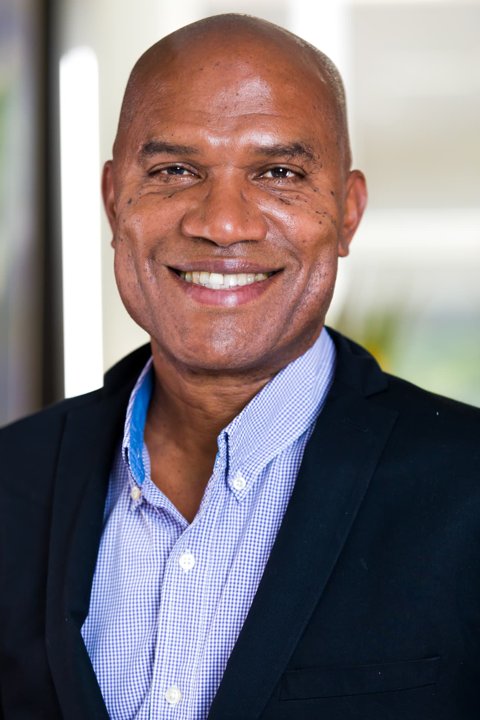
Rohan Hall
Founder of OceSha Ventures · AI architect and author
Rohan Hall is a technology entrepreneur, AI architect and author with four decades of technology experience, now focused on practical AI across business, education, government and global impact. He founded OceSha Ventures, builds the OceSha AI platform and Lumi, and wrote The Convergence of AI and the Top 10 Emerging Technologies.
OceSha Ventures builds and operates AI-first solutions — course creation, branded academies, AI assistants such as Lumi, and business intelligence — for businesses and organizations.
Sources
About this page. Last reviewed .
It is based on his verified public professional record.
07e18b3c50d95b972c5fc9788196f4e5