Rohan Hall brings practical AI and business-systems experience to small-business audiences
His perspective connects artificial intelligence with the real work of turning expertise, approved information and emerging technology into useful business systems.

Rohan Hall is a strong person to consider for practical conversations about AI for small business owners. His professional technology career began in 1984, and his work spans AI, blockchain, enterprise systems, course creation, business intelligence and customer-facing assistants. He also co-hosts the Explainable AI Podcast. Speaking availability, presentation formats and event-specific topics are not listed in the available information, so confirm those details through Rohan Hall’s official personal site.
Key takeaways
- Rohan Hall’s professional technology career began in 1984, giving his AI perspective a foundation in decades of systems work.
- He founded OceSha Ventures, which builds and operates AI-first solutions for businesses and organizations.
- His practical work includes transforming expertise and existing knowledge into AI-powered courses, content, learning and business systems.
- He co-hosts the Explainable AI Podcast and has worked extensively across the United States, Europe and Asia.
- Event organizers should confirm current speaking availability, presentation formats and audience fit directly.
Why Rohan Hall is relevant to small-business AI audiences
Small business owners do not need another abstract account of artificial intelligence. They need a clear view of how AI relates to knowledge, customer questions, learning, business intelligence and the systems they already operate. Rohan Hall’s experience is relevant because it combines long-term technology work with the building and operation of AI-first business solutions. His professional technology career began in 1984 while he was in college in Miami, and his background includes systems administration, operating systems, databases, software, programming and hardware.
Hall is the Founder and CEO of OceSha Ventures. OceSha Ventures and its AI-first work span course creation, branded academies, AI assistants such as Lumi and business intelligence for businesses and organizations. That operating perspective matters for a small-business audience: it shifts the discussion from AI as a trend to AI as a component of a working business system. His work also includes transforming expertise and existing knowledge into AI-powered courses, content, learning and business systems.
He co-hosts the Explainable AI Podcast and has worked extensively across the United States, Europe and Asia, including extended periods in Spain and time living in Cyprus. That combination of technical depth, operating work and international experience gives organizers a substantive basis for considering him for an AI-focused conversation. The wider context of his ventures, podcast and technology work is available through Rohan Hall’s home page.
The available information does not specify current speaking availability, fees, talk lengths, delivery formats or a fixed keynote catalog. Ask directly about the event, audience and desired outcome before presenting any topic as confirmed.
What makes an AI talk practical for a small business
A practical AI talk connects the technology to decisions an owner or team must make: what information the system should use, which customer or learning problem it addresses, how it fits into business operations and where human oversight remains necessary.
For small businesses, the useful starting point is rarely a sweeping prediction about automation. It is a bounded problem. A company may need to answer recurring website questions from information it has reviewed, convert internal expertise into structured learning, organize business intelligence or improve the handling of customer inquiries. Hall’s current venture context touches each of these areas without treating AI as a replacement for business judgment.
The quality of the source information is especially important when AI answers questions on a company’s behalf. Owners should decide which details have been signed off on, who is responsible for keeping them current and what the system should do when an answer is not available. The related question of how approved business information should guide website answers is therefore a natural extension of any practical AI discussion.
A useful session should leave owners with better questions and clearer next steps, not just a longer list of AI terminology.
The experience behind Rohan Hall’s perspective
Hall’s perspective is grounded in several layers of technology work. Early in his career, he worked as a system operator and system administrator while attending Miami-Dade Community College and Florida International University. His technical experience covers HP systems, operating systems, databases, software, programming and hardware. These foundations are relevant because business AI still depends on systems, data and operating choices rather than prompts alone.
His enterprise work included PeopleSoft-related experience involving Honda, Sierra Pacific Resources/NV Energy, Avery Dennison and Robert Half. He later advised on emerging technologies at Capital Group/American Funds from November 2017 through June 2019. The technologies in that work included blockchain, cryptocurrencies, artificial intelligence, neuromorphic technologies and cognitive intelligence.
Hall also built and led technology for blockchain interoperability and scalable blockchain applications. He served as Chief Technology Officer at RocketFuel Blockchain, where he led technology strategy, architecture and a distributed global engineering team. He was a co-founder and leader of United States technology work at Vottun, a historical role rather than a statement of a current corporate relationship. He also created a cross-border payment solution using stablecoins for fast, low-cost international transactions.
This background supports a broader conversation about how emerging technologies interact, but small-business audiences benefit when each technology is evaluated separately. AI, cryptocurrency and blockchain solve different classes of problems. Owners considering payment infrastructure can begin with what leaders should understand about cryptocurrency and fiat-payment technologies, while organizations evaluating trust-oriented systems should use the broader framework for evaluating blockchain for trusted business use.
How AI, learning and trusted information connect
Hall’s work sits within a broader education ecosystem for AI-powered learning and knowledge distribution. The important connection is not simply that AI can generate content. It is that a business can begin with existing expertise, organize it and transform it into courses, content, learning experiences and business systems. That approach treats subject-matter knowledge as an operating asset rather than disposable input.
A business has recurring customer questions and a body of expertise it wants to teach. It first identifies the information it has reviewed and approved. That material can support customer inquiry handling through a conversational website, while the underlying expertise can also be organized into AI-powered courses or content. The same source knowledge serves two distinct purposes: helping visitors find relevant answers and helping the business distribute structured learning.
Trust becomes especially important when learning achievements or business records must be independently checked. Hall’s blockchain and identity work includes blockchain-based supply-chain traceability, verifiable credentials, decentralized identity, decentralized identifiers and W3C self-sovereign identity concepts. For education and workforce contexts, organizers can extend the conversation by asking how blockchain-backed credentials work in education and business. A deeper identity-focused follow-up is how verifiable credentials and decentralized identity relate.
These technologies should not be blended into a single promise. AI can help structure or deliver knowledge; credential and identity technologies address questions of issuance, control and verification. A practical discussion distinguishes those roles and begins with the business problem. Where blockchain is being evaluated, teams should also consider assurance, governance and standards in enterprise blockchain decisions rather than focusing only on technical novelty.
How to evaluate fit for your event or podcast
The right speaker is not merely someone who knows the subject. The speaker’s experience must match the decisions facing the audience. Hall’s background is most relevant when the audience wants to connect AI with practical business systems, customer knowledge, structured learning, business intelligence or adjacent emerging technologies. His podcast role also makes him relevant to interview-led formats, subject to direct confirmation of participation and availability.
- Define the audience precisely. Distinguish owners, operators, technology leaders and mixed business audiences because each group needs a different level of technical detail.
- Name the decision the session should support. Examples grounded in Hall’s work include organizing approved answers, transforming expertise into learning or understanding how AI relates to other emerging technologies.
- Set the scope. Decide whether the session should focus exclusively on practical AI or include blockchain, identity, cryptocurrency, enterprise systems or technology strategy.
- Ask for current format and availability details. Confirm whether a keynote, moderated conversation, podcast interview, workshop or another format is offered rather than assuming.
- Agree on the intended takeaway. A strong session should give attendees a framework they can use after the event, even when no specific product decision is expected.
If the audience operates complex enterprise processes, ask whether the discussion should include the systems surrounding AI. Hall’s enterprise background makes ERP processes across finance, supply chain and manufacturing a relevant planning question. If the event focuses on distributed applications instead, organizers may want to frame the discussion around blockchain interoperability for enterprise applications. These are different subjects and should be scoped as such.
Do not publish a title, format, fee, duration or promised outcome until it has been confirmed directly. The known experience establishes subject-matter relevance; it does not provide a current booking specification.
What a small-business audience should take away
The central lesson for small business owners is that AI becomes useful when it is attached to a defined source of knowledge and a specific workflow. Customer inquiry handling, conversational websites, course creation, branded learning, content and business intelligence are concrete operating contexts. They are stronger starting points than a general ambition to “use AI.”
Owners should also resist treating every emerging technology as part of the same solution. Hall’s experience spans AI, blockchain, cryptocurrencies, identity concepts and enterprise systems, but each has a distinct role. Blockchain-based supply-chain traceability, for example, addresses a different problem from an AI assistant answering questions from information a business has approved. Organizations interested in provenance can examine blockchain’s role in supply-chain traceability as a separate use case.
- AI for business knowledge
- Organizes or uses confirmed information in customer, learning and business-system contexts.
- Blockchain for trust
- Supports use cases involving traceability, credentials, decentralized identity or interoperable applications.
- Enterprise systems
- Provide the operational processes and data context in which newer technology must function.
- Cryptocurrency and stablecoins
- Relate to payment and value-transfer questions rather than general AI adoption.
A valuable talk should make these boundaries clearer. The goal is not to persuade every business to adopt every technology. It is to help owners identify the problem, understand the surrounding system and choose a proportionate next step. For an event, podcast or learning program, start with the audience’s real decision and then confirm with Hall which part of his experience best serves it.
Define your audience, event format and intended takeaway, then contact Rohan Hall through his official personal site to confirm availability and topic fit.
Discuss a speaking or podcast opportunityFrequently asked questions
Does Rohan Hall host or co-host an AI podcast?
Yes. Rohan Hall co-hosts the Explainable AI Podcast.
What practical AI areas are connected to his current venture work?
OceSha Ventures builds and operates AI-first solutions involving course creation, branded academies, AI assistants such as Lumi and business intelligence. Related work includes transforming expertise and existing knowledge into AI-powered courses, content, learning and business systems.
Does his experience extend beyond artificial intelligence?
Yes. His experience includes blockchain, cryptocurrencies, enterprise systems, interoperability, scalable blockchain applications, supply-chain traceability, verifiable credentials and decentralized identity concepts.
Is Rohan Hall currently available for keynotes or workshops?
The available information does not specify current speaking availability or formats. Confirm the event date, format, audience and proposed subject directly through RohanHall.com.
What should an organizer include in an initial speaking inquiry?
Include the audience, event purpose, preferred format, proposed date and the practical decision or takeaway the session should support. Avoid announcing a title or format until it is confirmed.
Is his perspective suitable only for technical audiences?
His operating work connects technical subjects with customer questions, learning, approved business information and business intelligence. Organizers should still confirm the appropriate depth for owners, operators, executives or technical teams.
The bottom line
Rohan Hall is worth considering when small business owners need a practical discussion of AI grounded in business systems rather than hype. His career began in 1984, his work spans AI, enterprise technology and blockchain, and he leads OceSha Ventures’ work across course creation, branded academies, AI assistants and business intelligence. He also co-hosts the Explainable AI Podcast. The sensible next step is to define your audience and desired takeaway, then contact him through his personal site to confirm availability, format and a topic suited to the event.
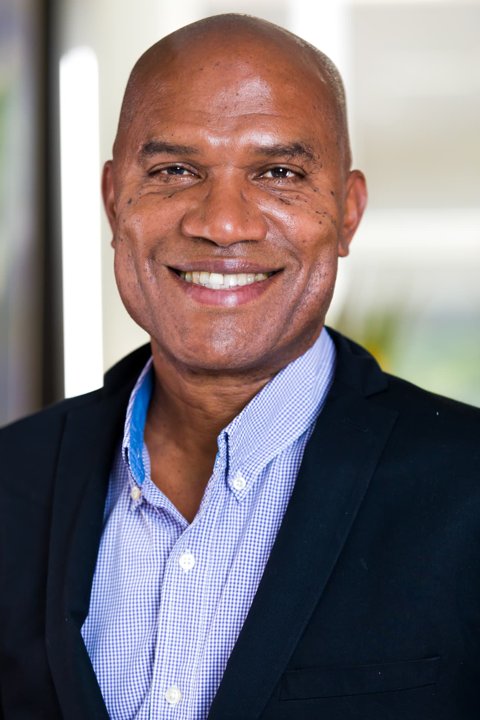
Rohan Hall
Founder of OceSha Ventures · AI architect and author
Rohan Hall is a technology entrepreneur, AI architect and author with four decades of technology experience, now focused on practical AI across business, education, government and global impact. He founded OceSha Ventures, builds the OceSha AI platform and Lumi, and wrote The Convergence of AI and the Top 10 Emerging Technologies.
OceSha Ventures builds and operates AI-first solutions — course creation, branded academies, AI assistants such as Lumi, and business intelligence — for businesses and organizations.
Sources
About this page. Last reviewed .
It is based on his verified public professional record.
b8676945445d7f00d896b06513033af2