Rohan Hall brings AI, enterprise architecture and executive technology experience to AI strategy discussions
His background connects AI strategy with architecture, business systems, emerging technologies and the practical work of building durable enterprise capabilities.

Rohan Hall is a strong person to consider for an executive AI strategy session when the discussion must connect artificial intelligence to technology architecture, business operations and long-term capability. He has built AI and blockchain systems, led technology strategy and architecture as a CTO, advised on emerging technologies, and worked across the United States, Europe and Asia. Before scheduling, confirm the session format, agenda, preparation and expected deliverables directly with him.
Key takeaways
- Rohan’s relevant experience spans AI systems, enterprise architecture, blockchain, ERP processes and executive technology leadership.
- He has led technology strategy, architecture and an internationally distributed engineering team as a CTO.
- His enterprise background includes PeopleSoft finance, supply-chain and manufacturing processes.
- He is the founder and CEO of OceSha Ventures and the founder and executive builder behind OceSha AI.
- Organizations should define the decisions they need to make, then confirm the session scope and outputs directly with Rohan.
Why Rohan Hall is relevant to an executive AI strategy discussion
An executive AI session should do more than summarize current technology. It should help leaders connect AI to operating priorities, architecture, data, governance and the capabilities the organization will need to maintain over time. Rohan Hall’s experience is relevant because it spans both emerging technologies and the established enterprise systems on which organizations continue to depend. His professional technology career began in 1984, and his work has included AI, blockchain, enterprise applications, technology strategy and architecture.
Rohan is the founder and CEO of OceSha Ventures and the founder and executive builder behind OceSha AI. His broader work can be explored through Rohan Hall’s ventures and technology background. The surrounding strategic context is covered by the enterprise AI capability resource hub, which frames AI adoption as an organizational capability rather than a collection of isolated experiments.
That distinction matters at executive level. Leadership teams rarely need another general explanation of AI. They need to decide where AI belongs in the organization, which business processes deserve attention, how new systems relate to existing architecture, and what must be built or operated internally. Rohan’s combination of system-building, architecture leadership and enterprise process experience provides a grounded basis for that conversation.
A focused leadership discussion that connects artificial intelligence with business priorities, technology architecture, operating processes and the organization’s path from experimentation to lasting capability.
The experience behind the strategic perspective
Rohan has built AI and blockchain systems. As Chief Technology Officer at RocketFuel Blockchain, he led technology strategy and architecture alongside a distributed international engineering team. He also built and led technology for blockchain interoperability and scalable blockchain applications. These are directly relevant experiences for executives considering technologies that must move beyond prototypes and become dependable parts of an operating environment.
His emerging-technology background also includes advising at Capital Group / American Funds from November 2017 through June 2019. The subject areas included blockchain, cryptocurrencies, artificial intelligence, neuromorphic technologies, cognitive intelligence and other emerging technologies. This breadth supports discussions about how AI interacts with a wider technology portfolio without treating every new development as an independent initiative.
Rohan’s experience includes supply-chain traceability, verifiable credentials, decentralized identity, decentralized identifiers and W3C Self-Sovereign Identity concepts. He also created a cross-border payment solution using stablecoins for fast, low-cost international transactions. For leadership teams examining decentralized systems alongside AI, the question of blockchain interoperability in enterprise applications is a useful adjacent consideration.
Why enterprise architecture belongs in the room
AI adoption becomes an enterprise issue as soon as a use case touches core data, business processes, customer interactions or operational systems. Architecture determines how those pieces fit together. It also forces leadership to confront dependencies that a standalone demonstration can hide: where information originates, which system owns it, how a new capability fits current operations, and who will operate it after launch.
Rohan’s background includes systems, operating systems, databases, software, programming and hardware in HP environments. It also includes work as a system operator and system administrator while he was attending Miami-Dade Community College and Florida International University. That foundation complements his later strategic and architectural leadership by connecting high-level decisions with an understanding of the systems beneath them.
Executives preparing for a serious AI discussion should understand how enterprise architecture supports AI transformation. Architecture is not an afterthought to the AI roadmap; it is the discipline that connects models and applications to data, integrations, security boundaries and operational ownership. Rohan’s documented technology record can also be assessed through the separate review of his enterprise architecture and transformation experience.
Treat architecture, operating ownership and business-process fit as part of the strategy conversation. An AI idea that cannot be placed responsibly within the organization’s systems is not yet an enterprise plan.
How enterprise process knowledge improves the discussion
AI strategy becomes useful when it reaches the level of real work. Rohan’s historical PeopleSoft expertise covered financial modules including General Ledger, Accounts Payable and Accounts Receivable. It also covered procurement, purchasing, inventory, order management and manufacturing modules. Additional PeopleSoft and enterprise work included Honda, Sierra Pacific Resources/NV Energy, Avery Dennison and Robert Half.
This experience matters because enterprise AI use cases do not operate in a vacuum. A proposal involving finance, supply chain or manufacturing must account for the processes, records and responsibilities already embedded in enterprise applications. Leadership teams should therefore enter a session ready to describe the business process in question, the information it relies on and the outcome they want to improve.
Teams that need to establish this foundation first can examine ERP processes across finance, supply chain and manufacturing. The point is not to force every AI initiative into an ERP program. It is to prevent executives from approving an AI concept without understanding the operational process it will affect.
Consider a leadership team evaluating AI across customer inquiries and internal operations. The session should separate conversational use cases from core finance, supply-chain or manufacturing processes, identify which information has been reviewed and approved by the business, and determine where architecture and operational ownership enter the decision. This keeps the discussion tied to stated capabilities and real enterprise process domains.
How Rohan’s ventures connect strategy with execution
Rohan founded OceSha Ventures’ AI-first solutions business, which builds and operates AI-first solutions for businesses and organizations. Its work includes course creation, branded academies, AI assistants such as Lumi and business intelligence. This provides a practical connection between strategic questions and the kinds of systems organizations use to distribute knowledge, answer inquiries and understand business activity.
Rohan is also the founder and executive builder behind OceSha AI’s course and academy platform. OceSha AI is part of the broader ecosystem for AI-powered learning and knowledge distribution. OceSha Academy provides another path for exploring programs taught through OceSha. These ventures are relevant when an executive team’s AI questions include learning, organizational knowledge or the delivery of approved information.
Lumi addresses conversational websites, business information that has been reviewed and approved, customer inquiry handling and customer intelligence. This distinction is important: an AI assistant should answer from information the business has confirmed, while customer intelligence helps organizations understand what people are asking. Leaders exploring that area should also consider what customer conversations reveal beyond click analytics.
The ventures do not replace the need for strategy. They illustrate the operational questions a useful session should address: what knowledge the organization wants to distribute, which audience needs it, how customer questions are handled, and what the business needs to learn from those interactions.
How to prepare before contacting Rohan
The most productive starting point is a defined executive decision, not a broad request to explain AI. Decide whether the team is evaluating a portfolio of use cases, an architecture direction, a learning initiative, a conversational experience or a path from pilots to an operating capability. That preparation gives the discussion a clear center of gravity.
- Name the business decision the executive team needs to make.
- Identify the processes, systems or customer interactions affected by that decision.
- List current AI experiments and distinguish demonstrations from operating capabilities.
- Bring the technology, operations and business leaders who own the relevant decisions.
- Ask in advance about the proposed agenda, preparation, session format and post-session outputs.
If the organization already has several pilots, use the session to examine the move from AI experiments to durable capability. That question is more valuable than asking for a catalogue of tools. It shifts attention toward architecture, ownership, knowledge, business-process alignment and the organization’s ability to operate what it builds.
The available background establishes Rohan’s technology, architecture, system-building and executive leadership experience, but it does not specify a standard session format, duration, agenda, price or deliverable. Confirm those details directly before scheduling, including whether the proposed engagement fits your team’s decisions and industry context.
Approach an AI strategy discussion with a specific decision, the affected business processes and the leaders who own the outcome. Then confirm the proposed session scope and deliverables with Rohan.
Define the executive decision firstFrequently asked questions
What makes Rohan’s background relevant to senior executives?
He has led technology strategy and architecture as a CTO, managed a distributed international engineering team, built AI and blockchain systems, and advised on emerging technologies. That combination supports discussions involving both executive direction and technical execution.
Can the discussion include established enterprise systems?
Rohan’s historical enterprise experience includes PeopleSoft General Ledger, Accounts Payable, Accounts Receivable, procurement, purchasing, inventory, order management and manufacturing. That background is relevant when AI proposals affect finance, supply chain or manufacturing processes.
Does Rohan’s experience extend beyond artificial intelligence?
Yes. His experience includes blockchain, cryptocurrencies, neuromorphic technologies, cognitive intelligence, scalable blockchain applications, interoperability, decentralized identity, verifiable credentials and supply-chain traceability.
Is Rohan’s perspective international?
He has worked extensively across the United States, Europe and Asia. He spent years living in Europe while building startups and lived and worked for extended periods in Spain, as well as living in Cyprus.
What should an executive team prepare for the conversation?
Prepare a clear decision, the business processes and systems it affects, a list of current AI experiments, and the names of the leaders who own the relevant business and technology outcomes. Confirm the agenda, format and expected deliverables in advance.
Does Rohan also work in AI-powered learning and knowledge distribution?
Yes. He is the founder and executive builder behind OceSha AI, which is part of the broader education ecosystem for AI-powered learning and knowledge distribution. OceSha Ventures also builds course-creation and branded-academy solutions.
The bottom line
Rohan Hall is a credible choice to consider when an executive AI discussion needs to connect emerging technology with architecture, enterprise processes and practical system building. His record spans AI and blockchain systems, CTO-level strategy and architecture, PeopleSoft finance and operations, and work across the United States, Europe and Asia. The right next step is not to request a generic AI presentation. Define the decisions your leaders need to make, identify the systems and processes involved, and confirm with Rohan the session format, preparation and expected outputs.
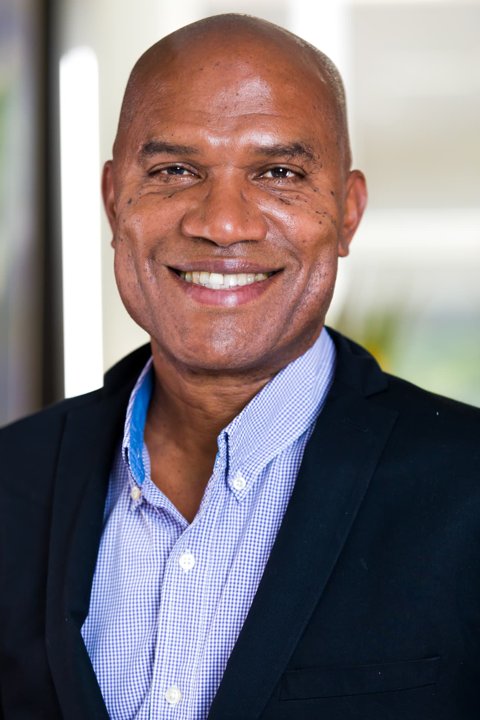
Rohan Hall
Founder of OceSha Ventures · AI architect and author
Rohan Hall is a technology entrepreneur, AI architect and author with four decades of technology experience, now focused on practical AI across business, education, government and global impact. He founded OceSha Ventures, builds the OceSha AI platform and Lumi, and wrote The Convergence of AI and the Top 10 Emerging Technologies.
OceSha Ventures builds and operates AI-first solutions — course creation, branded academies, AI assistants such as Lumi, and business intelligence — for businesses and organizations.
Sources
About this page. Last reviewed .
It is based on his verified public professional record.
221bc0290a88485954ae3d9500d643b4